

Send Message
Privacy statement: Your privacy is very important to Us. Our company promises not to disclose your personal information to any external company with out your explicit permission.

Secure storage solutions encompass a range of systems designed to protect valuable assets, sensitive documents, and high-security equipment from theft, tampering, and unauthorized access. In modern commercial environments—ranging from corporate offices and data centers to healthcare facilities and retail chains—the need for robust security infrastructure is paramount.
These solutions typically include physical enclosures like safes, lockers, and vaults, integrated with advanced locking mechanisms such as biometric scanners, electronic keypads, or smart connectivity features. The primary goal is to provide peace of mind by ensuring that critical items remain inaccessible to unauthorized personnel while remaining readily available to authorized users when needed.
For facility managers and procurement professionals, selecting the right secure storage system involves balancing durability, accessibility, and compliance with industry-specific regulations. Whether it's securing financial records in a bank or protecting medical supplies in a hospital, these systems form the backbone of organizational security protocols.
Our secure storage products are manufactured using high-tensile steel alloys and reinforced composite materials, ensuring resistance against forced entry attempts. Each unit undergoes rigorous stress testing to meet international safety standards, including UL (Underwriters Laboratories) and EN (European Norm) certifications.
Buyer Benefit: Invest in long-lasting security hardware that reduces replacement costs and liability risks over time.
Every component—from heavy-duty hinges to anti-drill plates—is precision-machined to ensure seamless operation and maximum durability. Our assembly lines utilize automated quality control checkpoints to verify lock alignment, structural integrity, and finish consistency before shipment.
Buyer Benefit: Consistent product quality means fewer installation issues and lower maintenance overhead for your organization.
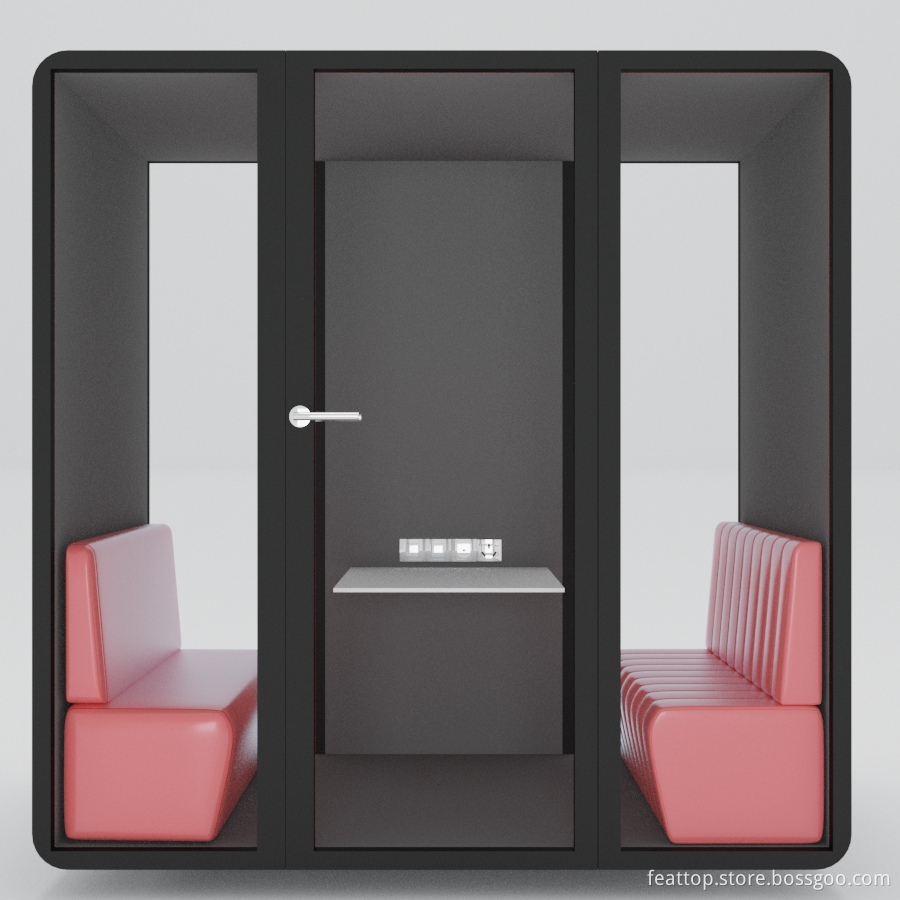
Start by identifying what you need to protect. Are you securing cash, sensitive documents, electronics, or hazardous materials? Different contents require different levels of protection. For example, fire-resistant safes are essential for document preservation, while anti-theft lockboxes are ideal for portable equipment.
Modern secure storage offers various access controls: traditional key locks, combination dials, electronic keypads, biometric scanners, or smart connectivity via mobile apps. Consider user volume and audit trail requirements when selecting a mechanism. High-traffic areas benefit from quick-access electronic systems, while low-traffic zones may prioritize mechanical reliability.
Location matters. Units installed in humid environments require corrosion-resistant coatings, while those in high-visibility areas might need aesthetically pleasing finishes. Ensure the chosen solution complements your existing infrastructure without compromising security integrity.
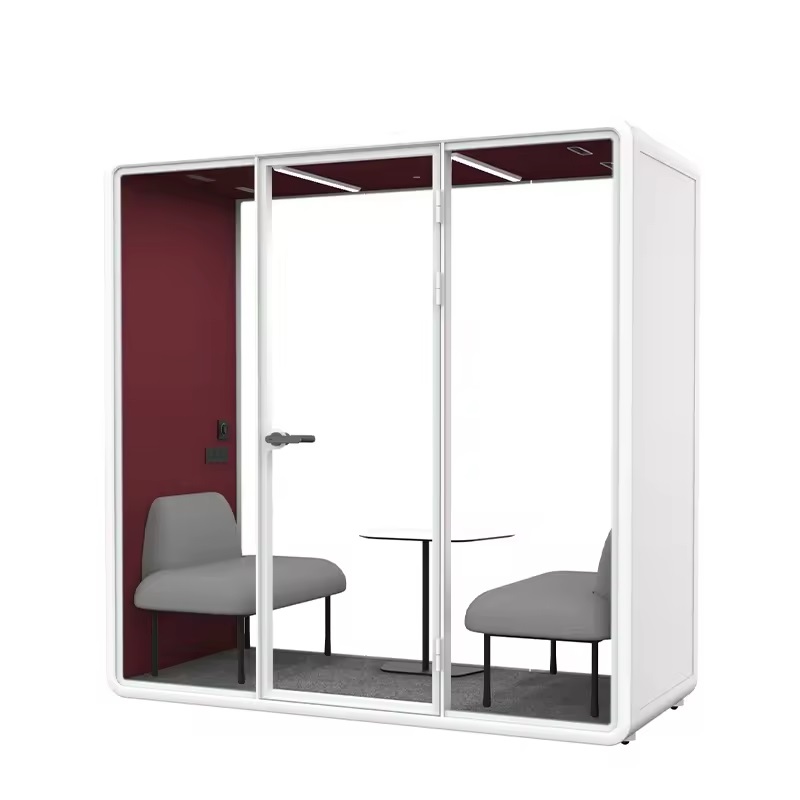
Protect confidential client data, financial records, and company intellectual property. Modular locking cabinets allow employees to securely store personal items while keeping sensitive business materials locked away after hours.
Ensure compliance with HIPAA and other health privacy regulations by securely storing patient records, prescription medications, and controlled substances. Tamper-evident seals and audit trails enhance accountability.
Safeguard examination papers, grant funding, and valuable laboratory equipment. Durable, student-proof designs prevent vandalism while providing staff with reliable access control.
Secure cash handling processes, inventory management, and guest amenities. Anti-theft displays and back-office lockers reduce shrinkage and improve operational efficiency.
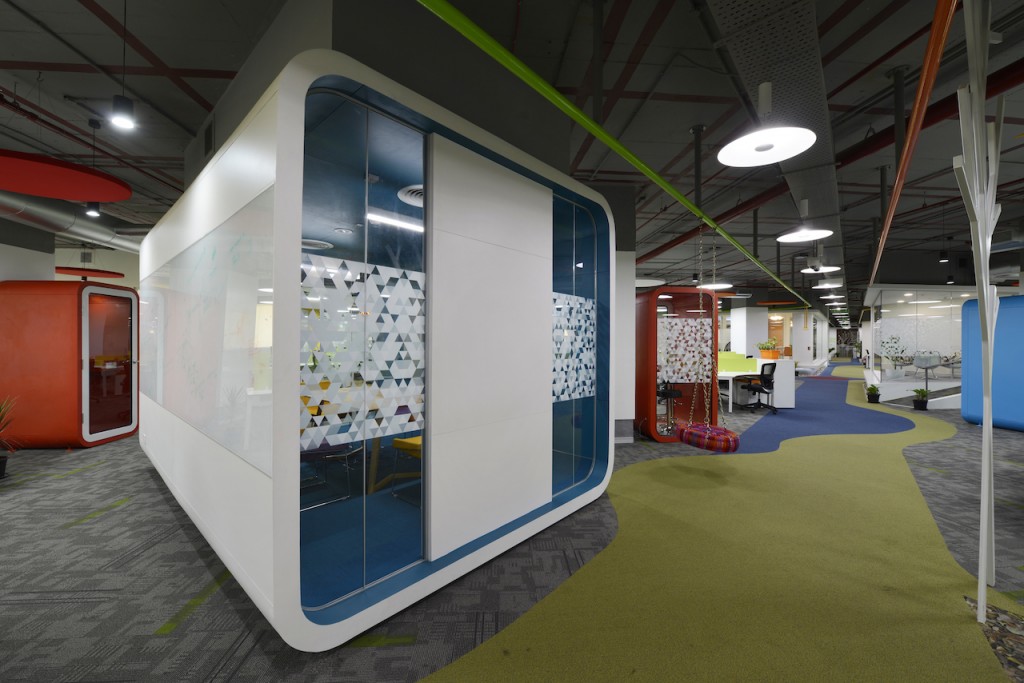
With over 10 years of experience as a comprehensive project supplier, Feat Top specializes in commercial furniture and secure storage solutions. Based in Foshan, the world's largest furniture hub, they combine manufacturing capabilities with OEM services to meet diverse client needs.
Key Advantages:
When evaluating suppliers for secure storage solutions, prioritize those with:
Safes are typically smaller, bolted-down units designed for high-value items like cash, jewelry, or documents, offering superior fire and theft protection. Secure storage lockers are larger, freestanding cabinets meant for organizing multiple users' belongings, often found in gyms, schools, or workplaces. They provide basic theft deterrence but less robust fire resistance compared to dedicated safes.
Mechanical locks (keys or combinations) offer reliability and don't require batteries, making them ideal for low-traffic or emergency situations. Electronic locks (keypads, biometrics, or smart cards) provide better access control, audit trails, and convenience for high-traffic areas where multiple users need frequent access. Consider your security monitoring needs and maintenance capabilities when deciding.
Not all secure storage units are fireproof. Fire-rated safes are specifically engineered with insulation materials to protect contents from heat damage for a specified duration (e.g., 30, 60, or 120 minutes). If you're storing paper documents, check the fire rating label carefully. Standard security lockers focus on theft prevention but offer minimal fire protection.
Yes, many manufacturers offer customization options including specialized shelving, drug-safe compartments for healthcare, media racks for AV equipment, or branded finishes for corporate identity. Customization allows you to optimize internal configurations for your specific asset types while maintaining uniform aesthetics across your facilities.
Regular maintenance includes lubricating lock mechanisms annually, checking door seals for wear, and inspecting bolts and hinges for tightness. Electronic locks may require battery replacements every 1-2 years. Proper care extends the lifespan of your investment and ensures reliable operation when security is most critical.
Compliance depends on your industry. Healthcare facilities must follow HIPAA guidelines for patient data protection, requiring encrypted access logs. Financial institutions adhere to FFIEC standards for cash handling. Always consult local regulations and work with suppliers who provide certification documentation for their products' security ratings and material compositions.
Related Products List
Contact Us

Send Inquiry
Privacy statement: Your privacy is very important to Us. Our company promises not to disclose your personal information to any external company with out your explicit permission.
Fill in more information so that we can get in touch with you faster
Privacy statement: Your privacy is very important to Us. Our company promises not to disclose your personal information to any external company with out your explicit permission.