


Send Message
Privacy statement: Your privacy is very important to Us. Our company promises not to disclose your personal information to any external company with out your explicit permission.

In today's dynamic commercial environments, maximizing usable square footage without compromising on comfort or aesthetics is a primary concern for facility managers and procurement specialists. Stackable office furniture represents a strategic category of commercial furnishings designed to be vertically stacked when not in use, significantly reducing storage footprint by up to 70% compared to traditional non-stackable alternatives.
As a professional commercial furniture supplier with over 10 years of experience serving large office spaces, chain restaurants, and star-rated hotels across the USA, Russia, Germany, India, South Africa, and the Middle East, Feat Top International understands that flexible seating solutions are no longer optional—they are essential for multi-purpose venues, pop-up events, training facilities, and modular dining areas.
Our comprehensive range of stackable outdoor furniture, office chairs, cafeteria seating, and lounge options is engineered for high-cycle commercial use while maintaining the refined appearance expected in premium hospitality and corporate settings. By choosing our stackable solutions, you reduce your per-seat landed cost, simplify warehouse logistics, and gain the operational flexibility to reconfigure any space within hours rather than days.
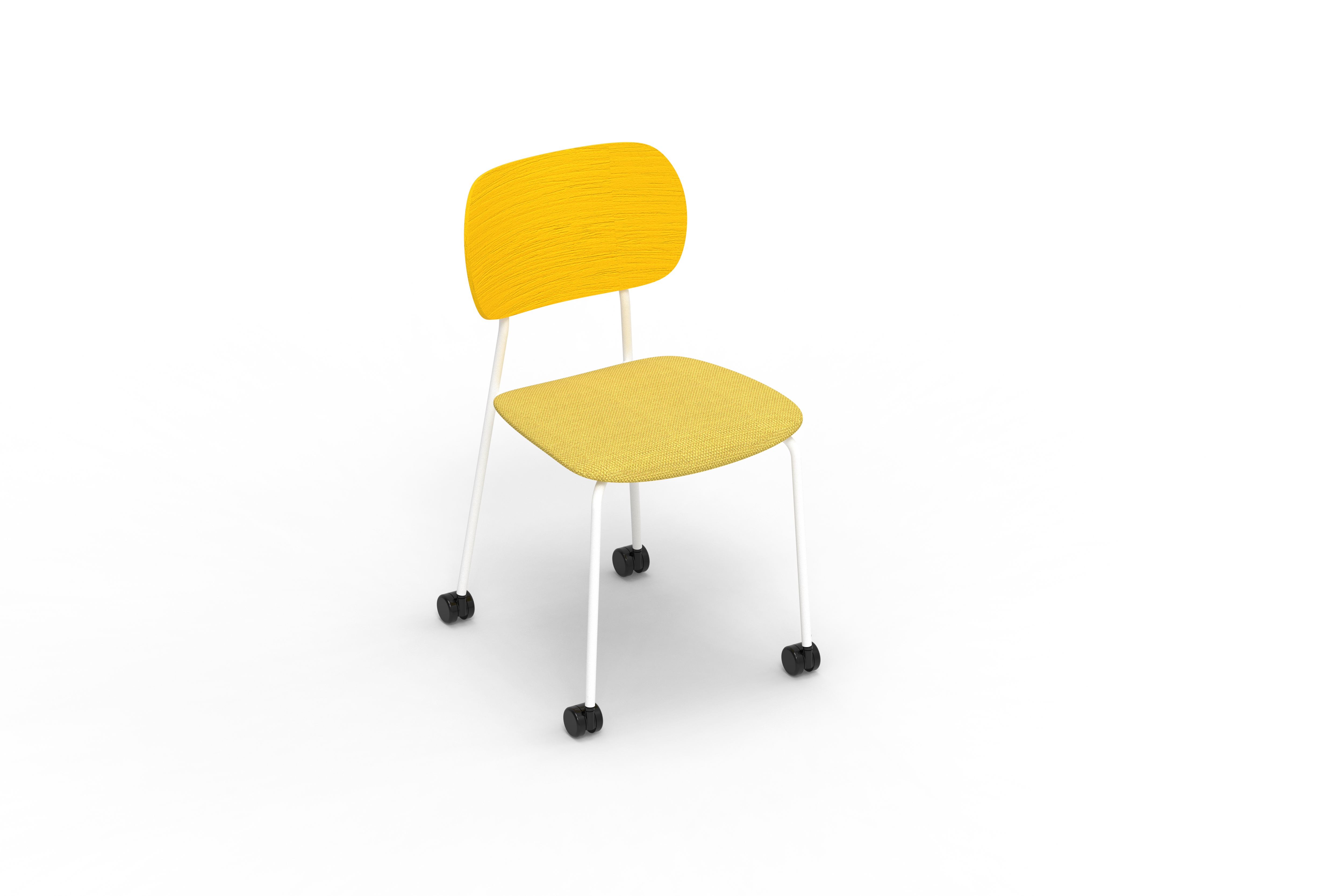
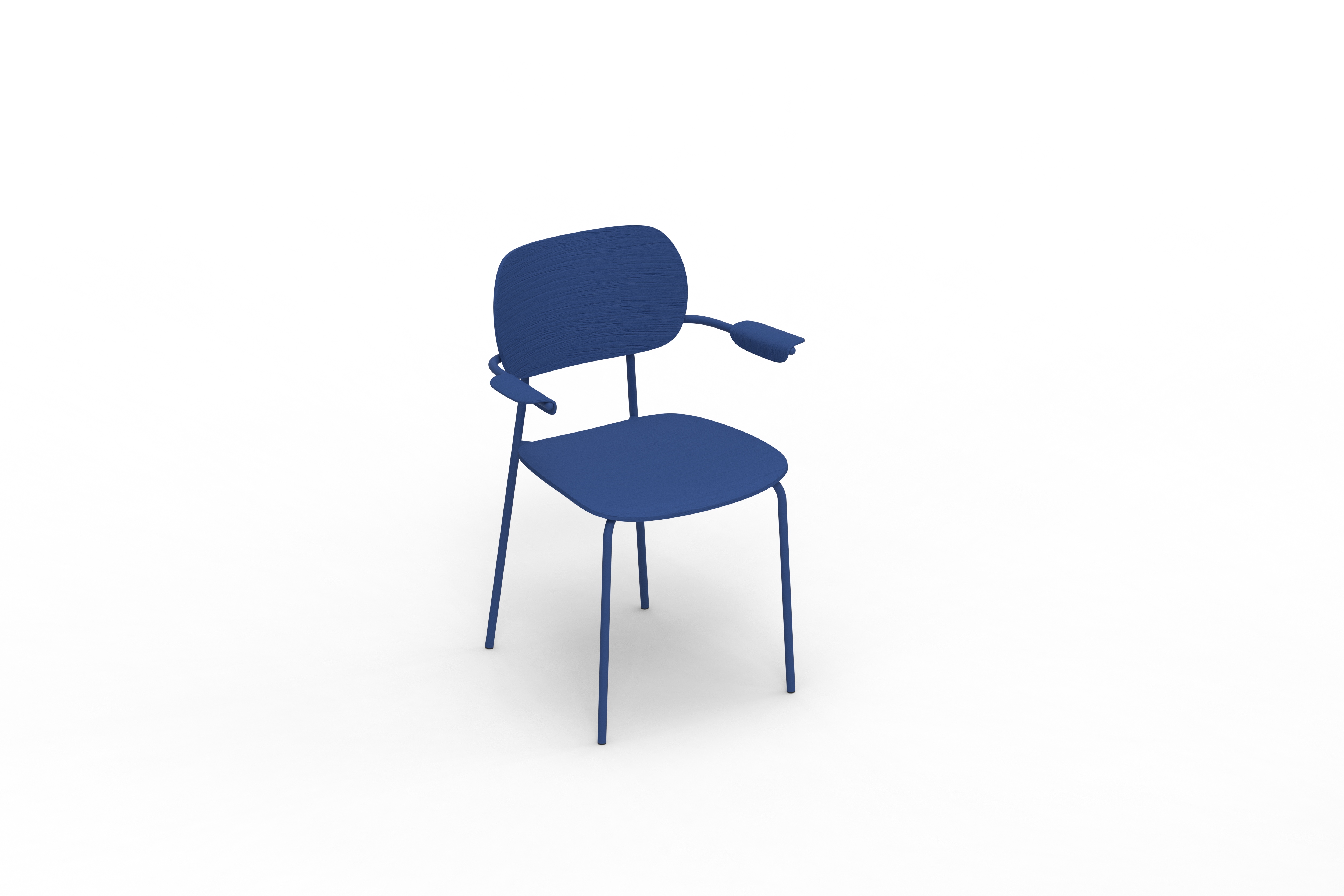
Every piece of stackable furniture we manufacture undergoes rigorous quality assurance protocols at our Foshan-based facility, located in the world's largest furniture production hub. Our factory integrates advanced manufacturing processes with stringent inspection checkpoints to ensure each unit meets international commercial durability standards.
All stackable chairs and seating units are tested to withstand minimum 150kg static load capacity—exceeding BIFMA and EN 16139 commercial grade requirements. We perform drop-testing, stacking stability analysis, and fatigue cycling simulations to guarantee long-term performance in high-traffic environments such as conference halls, banquet rooms, and university lecture theaters.
For our outdoor stackable furniture lines, we utilize UV-stabilized polypropylene, powder-coated steel frames, and marine-grade stainless steel hardware to resist corrosion, fading, and weather degradation. Indoor commercial stackable chairs feature scratch-resistant surfaces, reinforced weld joints, and ergonomically contoured seats designed for 8+ hours of continuous use.
As a comprehensive project supplier, we offer full OEM/ODM services including custom color matching (RAL/Pantone), logo embossing, fabric upholstery selection, and frame finish customization. This enables hotel chains, restaurant groups, and corporate campuses to maintain brand consistency across all their locations while benefiting from our economies of scale.
Selecting the correct stackable seating solution requires evaluating multiple factors beyond basic aesthetics. Procurement buyers must consider usage frequency, environmental conditions, storage constraints, compliance requirements, and total cost of ownership. Below is a comprehensive framework to guide your decision-making process.
Indoor stackable chairs prioritize ergonomic comfort, aesthetic versatility, and lightweight portability for conference rooms, training centers, and offices. Outdoor stackable furniture requires UV resistance, moisture-proof materials, rust-resistant coatings, and wider base geometries for patio, poolside, or terrace deployment.
High-traffic venues such as banquet halls, airports, and stadium concourses require heavy-duty stackable seating rated for 500+ daily uses. Standard office stackable chairs serve lower-frequency environments like meeting rooms and co-working spaces. Match the duty rating to your actual throughput to avoid premature replacement costs.
Evaluate the vertical stacking height and footprint reduction ratio. Premium stackable designs achieve 6-8 chairs stacked within 30cm of vertical clearance, ideal for venues with limited storage rooms. Verify that nesting compatibility exists if you plan to store chairs under tables or counters.
Ensure all stackable products carry relevant certifications: EN 16139 (Europe), BIFMA X5.1/X5.5 (USA), ISO 9001 quality management, and SGS testing reports. These certifications protect against liability claims and satisfy procurement compliance requirements for government, educational, and healthcare tenders.
Beware of low initial purchase prices that mask higher lifecycle costs. Factor in replacement frequency, maintenance requirements, shipping volume per unit (impacting freight costs), and warranty coverage. Our stackable solutions typically deliver 30-40% lower TCO over five years compared to budget alternatives due to superior build quality and extended service life.
For environments where users remain seated for extended periods—such as training rooms, waiting areas, or dining venues—select stackable chairs with contoured seat pans, lumbar support contours, and armrest options. Ergonomic stackable seating reduces user fatigue and improves satisfaction scores in hospitality and corporate settings.
Use this structured checklist to evaluate potential stackable furniture suppliers and ensure your procurement decision minimizes risk while maximizing value. Each criterion directly impacts your operational efficiency, budget allocation, and end-user satisfaction.
Confirm the manufacturer has verifiable export history to your target market. Request business licenses, factory audit reports, and references from existing clients in similar industries (hospitality, education, corporate).
Always request physical samples before placing bulk orders. Evaluate stacking alignment, surface finish quality, weight distribution, and material thickness. Test the sample under real-world conditions at your site.
Verify minimum order quantities align with your project phasing. Confirm production lead times account for raw material sourcing, tooling setup, quality inspections, and ocean freight scheduling.
Secure written warranty terms covering structural defects, frame integrity, and finish degradation. Confirm spare parts availability (casters, armrests, seat cushions) and responsive technical support channels.
Evaluate packaging design for stackability during transit. Optimized carton dimensions reduce container utilization and lower per-unit freight costs. Confirm protective wrapping prevents inter-scratching during delivery.
Ensure your supplier can reliably reproduce matched batches for future expansions. Color consistency, dimensional tolerances, and material sourcing stability are critical for multi-phase projects spanning multiple years.
When sourcing stackable furniture from China, selecting the right manufacturing partner is as critical as selecting the product itself. An ideal supplier combines manufacturing capability, export expertise, quality systems, and responsive communication. Based on our analysis of the commercial furniture supply chain, here are the key criteria for identifying top-tier stackable furniture suppliers.
Prioritize suppliers who operate their own factories rather than trading companies. Integrated manufacturers offer direct control over material sourcing, production scheduling, quality inspection, and cost optimization. OEM/ODM capabilities enable custom branding, color matching, and structural modifications tailored to your specific venue requirements.
Look for suppliers with documented export experience to your region. Suppliers serving markets like the USA, EU, Russia, and the Middle East understand regional compliance requirements, packaging standards, and customs documentation. This reduces shipment delays, tariff complications, and quality disputes.
A supplier offering a broad portfolio—including stackable chairs, outdoor furniture, office pods, phone booths, desks, and lounge seating—enables consolidated purchasing, unified styling across your project, and simplified logistics. Single-source procurement reduces administrative overhead and ensures design coherence.
Suppliers based in major furniture hubs like Foshan, Guangdong benefit from complete supply chain ecosystems—access to raw materials, component suppliers, mold makers, and experienced labor pools. This proximity reduces lead times, lowers production costs, and facilitates rapid prototyping and iteration.
Procurement buyers frequently encounter predictable challenges when sourcing stackable furniture from overseas manufacturers. Understanding these common pitfalls in advance allows you to implement preventive measures, protect your budget, and ensure successful project delivery.
The Problem: Chairs from different production runs fail to stack uniformly due to dimensional drift in molds or assembly tolerances. This creates unstable stacks, safety hazards, and wasted storage space.
The Solution: Specify maximum tolerance thresholds (typically ±2mm) in your purchase agreement. Require pre-shipment stacking verification photos/videos. Conduct dimensional audits on random samples from each production batch before cargo departure.
The Problem: Reproduction orders arrive with noticeably different hues from initial samples, creating visual inconsistency across multiple venue locations or phased rollouts.
The Solution: Lock approved Pantone/RAL color codes and retain physical master samples in sealed packaging. Require spectrophotometer verification reports from the supplier before mass production begins. Include color acceptance criteria in your quality inspection checklist.
The Problem: Inefficient carton dimensions or inadequate stacking during container loading result in paying for air space. Some suppliers pack individual chairs separately rather than utilizing nested configurations.
The Solution: Request detailed packing lists with outer carton dimensions, gross weight, and containers-per-order calculations before confirming the order. Negotiate packaging optimization as part of your contract. Consider using a third-party inspection service to verify container stuffing efficiency.
The Problem: Products arrive without required test reports, CE marks, BIFMA certificates, or material safety declarations, causing customs holds, retailer rejection, or legal liability.
The Solution: List all required certifications explicitly in your purchase order. Request copies of valid test reports from accredited laboratories (SGS, TÜV, Intertek) before deposit payment. Verify report dates, product model numbers, and scope coverage match your order specifications.
The Problem: Slow supplier responses to sampling requests, production updates, or issue resolution create project schedule slippage and force reactive decision-making on your end.
The Solution: Establish clear communication protocols upfront: designated project manager, response time SLAs (e.g., 24-hour response window), weekly progress reporting cadence, and escalation procedures. Use collaborative platforms with shared timelines and document repositories.
Commercial-grade stackable chairs manufactured with quality materials (powder-coated steel frames, injection-molded polypropylene seats, reinforced joints) typically last 5-10 years depending on usage intensity. High-traffic environments (banquet halls, stadiums) may see 5-7 years of service, while moderate-use settings (conference rooms, training centers) can extend to 8-10 years. Our stackable seating solutions undergo rigorous cycle testing to ensure they meet or exceed industry lifespan benchmarks, providing reliable performance throughout their service life with minimal maintenance requirements.
Most standard commercial stackable chairs are designed to stack 6-8 units vertically within a 30-35cm total height. Heavy-duty banquet stackable chairs may stack 4-6 units due to larger seat profiles. Nesting-compatible designs allow chairs to slide partially underneath one another, further reducing storage footprint. Always verify the manufacturer's specified stacking height and weight limit per stack to ensure stability and prevent damage during storage. Our stackable outdoor furniture and indoor seating lines are optimized for maximum stacking density while maintaining structural integrity.
Yes, most established manufacturers offer full OEM customization services including RAL/Pantone color matching, logo embossing or laser engraving on seat backs, custom fabric upholstery for cushioned models, and frame finish variations (matte, gloss, textured). Minimum order quantities typically apply for custom colors (often 200-500 units per colorway). As a comprehensive project supplier with 10+ years of OEM experience, we provide seamless customization from initial color approval through production monitoring to final delivery, ensuring brand consistency across all your property locations.
Key certifications vary by destination market but commonly include: EN 16139 (European standard for seating strength/durability), BIFMA X5.1/X5.5 (American furniture safety standards), CE marking (EU conformity), ISO 9001 (quality management system), SGS or TÜV test reports (independent verification), and REACH/RoHS compliance (material safety). For outdoor stackable furniture, UV resistance certification and salt-spray corrosion testing reports are particularly important. Always request current, model-specific test reports from accredited laboratories before placing orders to ensure regulatory compliance at your port of entry.
Standard lead times for bulk stackable chair orders range from 25-45 days depending on order volume, customization complexity, and factory workload. Simple stock-color orders with no customization typically ship in 25-30 days. Custom color, logo printing, or structural modifications add 5-10 days to the timeline. During peak manufacturing seasons (August-November), lead times may extend by 5-7 days. We recommend initiating procurement discussions 6-8 weeks before your installation date to accommodate production, quality inspection, and ocean freight scheduling. Expedited production is often available at a premium surcharge.
Purchasing complete sets (including matching stackable tables, side tables, or coordinating pieces) offers significant advantages: guaranteed color and style consistency, consolidated shipping reducing per-unit freight costs, single-source accountability for quality issues, and streamlined reorder management for future expansions. While buying individual pieces from separate suppliers may appear cheaper initially, the logistical complexity, coordination overhead, and risk of mismatched aesthetics typically outweigh any marginal savings. Our comprehensive product range allows you to source all stackable furniture components—from chairs and tables to office pods and lounge seating—from a single manufacturer.
Related Products List
Contact Us

Send Inquiry
Privacy statement: Your privacy is very important to Us. Our company promises not to disclose your personal information to any external company with out your explicit permission.
Fill in more information so that we can get in touch with you faster
Privacy statement: Your privacy is very important to Us. Our company promises not to disclose your personal information to any external company with out your explicit permission.